

The evolution of gambling A journey through its history and cultural impact
The Origins of Gambling
The history of gambling can be traced back thousands of years, with evidence of games of chance found in ancient civilizations such as China, Egypt, and Rome. The earliest known forms of gambling involved simple activities like betting on the outcome of dice games or the results of sporting events. In these early societies, gambling was not only a form of entertainment but also a way to settle disputes and determine fates. Today, players can discover a variety of options such as casino uden rofus, which offers great freedom in gameplay.
In ancient China, the creation of tiles used for a rudimentary game of chance dates back to around 200 BCE. Meanwhile, in Rome, the popularity of betting on gladiatorial contests illustrated how deeply ingrained gambling was in the culture. These early examples set the stage for the evolution of gambling as a social activity intertwined with various aspects of life.
The Development of Casino Culture
As societies advanced, so did the establishment of formal gambling venues, leading to the birth of modern casinos. The first official casino, known as the Ridotto, opened in Venice in 1638. This establishment allowed the upper classes to indulge in gambling while promoting regulated play. The concept quickly spread across Europe, with iconic locations emerging in places like Monte Carlo and Baden-Baden.
The rise of casinos introduced a new level of sophistication and glamour to gambling. With elegant decor and high-stakes games, casinos became social hubs where individuals from various backgrounds mingled. This cultural shift transformed gambling from a clandestine activity into a prominent aspect of leisure and entertainment in society.
Gambling in the Modern Era
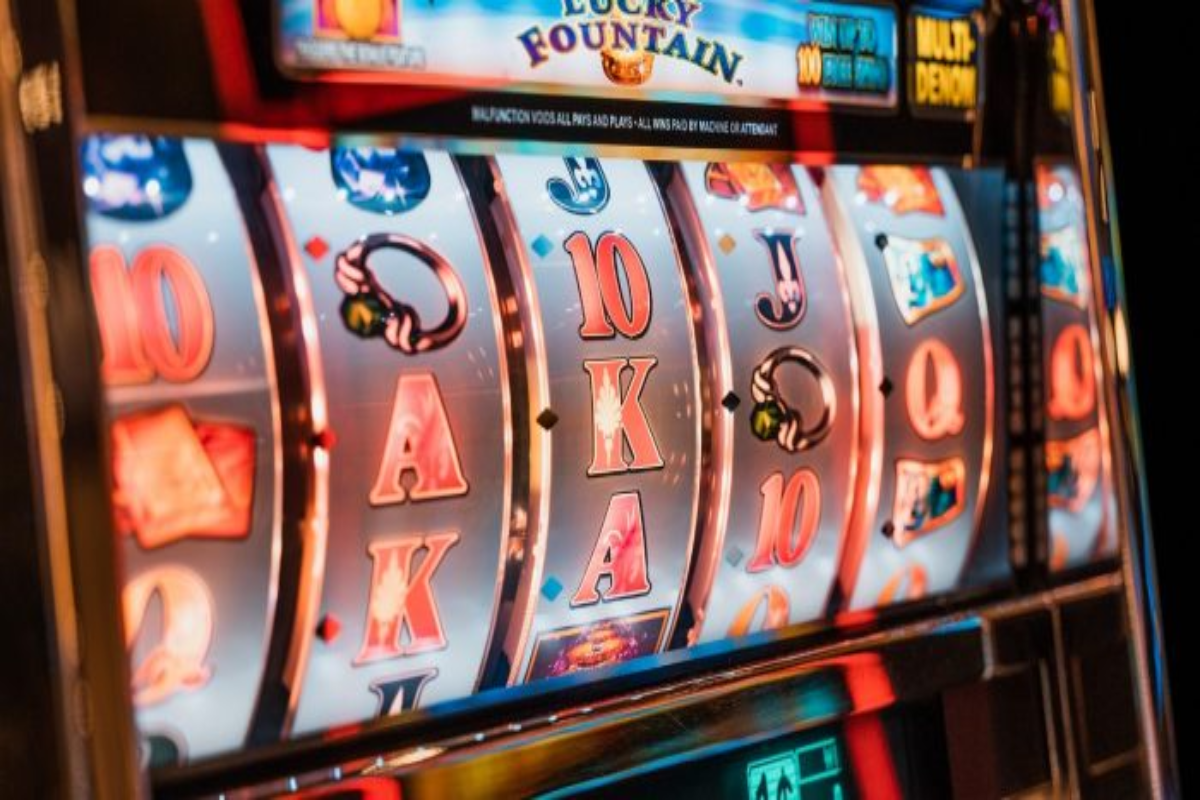
The 20th century witnessed significant changes in gambling, particularly with the advent of technology. The introduction of slot machines and electronic gaming significantly expanded the gambling landscape. The Las Vegas Strip emerged as a focal point for this transformation, attracting millions of visitors seeking excitement and fortune.
Additionally, the legalization of gambling in various jurisdictions led to the establishment of more regulated environments, contributing to a safer experience for players. Online gambling also became a significant player at the turn of the millennium, allowing individuals to engage in gaming activities from the comfort of their homes.
The Cultural Impact of Gambling
Gambling has always played a notable role in shaping culture, influencing everything from literature to art. Iconic works often reference gambling as a metaphor for chance, risk, and human behavior. Films like “Casino Royale” and “Ocean’s Eleven” romanticize the allure and thrill of gambling, showcasing its ability to captivate audiences.
Beyond entertainment, gambling has also sparked discussions around ethics and responsibility. The challenges of addiction and social implications continue to be topics of research and dialogue, reflecting the complex relationship society has with gambling. As a result, communities and policymakers strive to balance the enjoyment of gambling with the need for responsible regulations.
The Future of Gambling and Online Platforms
The future of gambling is increasingly leaning towards online experiences, with technological advancements creating innovative platforms for players. Virtual reality and blockchain technology are set to revolutionize how individuals engage with games, offering immersive experiences and enhanced security.
Our online gaming platform is designed for players looking for a comprehensive and engaging experience. We prioritize safety and user-friendliness, providing a wide array of games that cater to all types of players. Join us to explore exclusive promotions, expert tips, and the latest trends in gaming, ensuring you enjoy gambling in a safe and exciting environment.